

A quieter creative success story
Hannah Woodwark's late-discovered neurodivergence changed her view of what creative success can look like. Here, she tells her story.

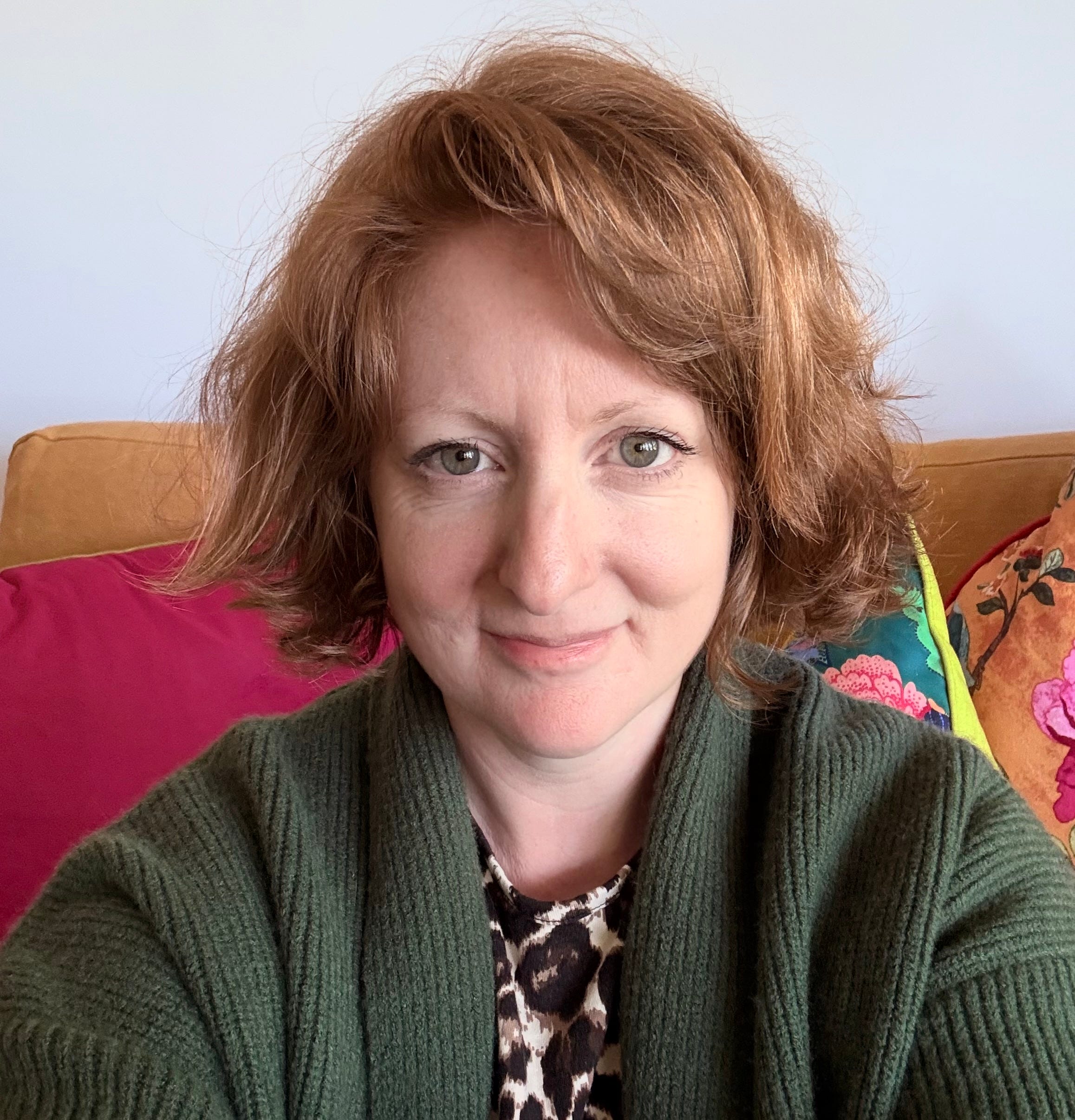
The definition of success has alluded me over the years and I’ve often felt the sting of the unsuccessful in a lot of my endeavours. No awards of recognition, no promotions, no big bonus, no big followings or fame and fortune. It has caused a great deal of pain over the years, longing for the success I’ve seen others enjoy. But of late I’ve realised my success doesn’t lie in the big and the glitzy but in the quiet, in the subtle, a place where actually I am most at ease.
When I was five years old, my family and I went to see The Nutcracker Suite ballet. My Mum has told me there was a point in the ballet where a choir began to sing and suddenly, she heard a little voice next to her loudly and confidently begin to join in as if it was the most natural thing in the world. Whilst my memories of this are hazy, I obviously felt moved by the music and compelled to join in. In my rawest form and with the inhibition of early childhood, long before the masking began, it felt natural to sing, regardless of who was around me.
At age seven, I began writing poetry and by my early teens I was putting words to music, which only heightened my creative experience. I’d found myself in creating. It felt wonderful. I spent days in my bedroom writing and recording songs that teased out my inner world. Days would be lost in my bedroom studio set-up and I’d work so hard on perfecting my music, I could literally hear my brain creak. I forgot to eat, I forgot to drink, I was consumed. I had a focus that I couldn’t apply to anything else in my life. I couldn’t start a project and leave it part way through, I had to keep going until it was finished - only then could I disconnect from my creative process and resume the mundane and sometimes traumatic moments of everyday life.
“Creativity isn’t just a career, it’s a necessity, it’s oxygen. I need it to survive”
Around this time, I really started to feel different to a lot of my peers. I found it increasingly hard to make sense of the burgeoning social scene that comes with age. The parties, the pubs, the boys. I couldn’t seem to chat to people like my friends could and unfortunately, I discovered the way to be part of the crowd was to drink alcohol, which lessened the unease and made me feel a social butterfly like everyone else, until it didn’t.
But despite my difference, I could communicate through writing and music in a way that I couldn’t seem to with most humans. I had a depth to my feelings that no one understood. I developed crushes on boys that would completely overwhelm me and stop me eating, where others seemed to cope. The intensity of my feelings frightened me as well as others around me and I felt a pressure to rein myself in but I couldn’t let things go. The end result was a beautifully crafted song.
I started to sing some of my music in a band and perform at school concerts. My talent for singing and songwriting was recognised, and people encouraged me to perform. However, when I did perform in front of others, the magic of my creativity seemed to disappear. Anxiety would bubble up in my throat and distort my voice and the natural emotion I emitted in rehearsals was nowhere to be seen, it was somehow lost in my fear of the eyes looking in my direction. Something didn’t align, I had been given this gift of a voice, but I found it so difficult to perform. I was perplexed by the dichotomy of being singer and songwriter but not performer. Despite this, I continued to try and pursue a career in music believing it was the only way to live my creativity.
All I want by Hannah Woodwark…
After school I went to music college for a year, and the plan was to give it my best shot to secure a music career. But my mental health was plummeting further and further and my undiagnosed neurodivergence was causing me to feel a trauma from the world around me.
Whilst music continued to be my way of processing my feelings, I still struggled with the performing, the networking, the promoting aspects that come hand-in-hand with trying to secure a music career. I remember people saying, ‘if I had your voice, I would be famous right now’ or ‘I can’t believe that voice came out of you’. It was like my singing voice didn’t fit my body.
I recorded music and performed my own material to dark dingy smoke-filled pubs that hid the empty seats. I fell into admin jobs, perfunctory roles that paid the bills but offered little opportunity to create. I struggled with the nuances and complex conversations typical of the business world and I found the open plan busy offices draining and would drink my way through the afterwork socialising.
I was lonely, unhappy, at odds with myself. And whilst others collected friendships like stamps, I seemed to lose them. Whilst others progressed in their careers, my creative career stalled, and my mental health took a nose-dive. There were hospital admissions due to drinking too much, Men taking advantage of me in vulnerable states, alcohol support groups and a lot of therapy. I writhed in my utter confusion over why I felt so irrevocably different to everyone else, why I simply couldn’t navigate the world in the same way as others. But no matter how dark life got I always had my music and my words; they were my medicine.
This would be the point in the story where something changed, some kind of fortune favouring the down and out, but in truth there was no Hollywood style turnaround and for years, I felt that I had failed. I felt a deep sadness that my words and music didn’t take me to the places I’d always dreamed of, they remained small. I longed for a bubble of fame and fortune that would protect me from the world I couldn’t make sense of. People would accept my ‘weirdness’ because I would be great at what I did, my music and success would distract from the fact I didn’t fit in.
But I’m not a bestseller, a Grammy award winning songwriter. I’m not selling out shows or singing with full orchestras in beautiful dresses like I had always dreamed. If this were an article in a national newspaper or magazine this would be the point where the page would tell of the rawness of my childhood talent being propelled into sparkly fame and life changing success but instead, I have stumbled my way to 44 and only now am I beginning to understand myself and how my creative energy and my neurodivergence co-exist.
“I like to let the music of others move me, to linger on my lips, to sing into the bubbles of the daily washing up.”
When you don’t know yourself it’s impossibly hard to find what you need. I often wished that my creativity didn’t lie in music but in quieter, less visible pursuits like art or pottery, selling my wares on a small Etsy page. I’d be able to create without the performance, without the eyes on me. My dreams of noisy fame and fortune have begun to dissipate as I have realised that what I really need is to quietly create.
In this realisation, there is a Hollywood rags to riches kind of vibe. For me, the turning point really was meeting my husband who it turns out is also neurodivergent. We connected in our quiet otherness. The next turning point was going on to have our children. I stopped working when I became a mother and I felt instant relief that I could spent my days quietly mothering rather than trying to navigate busy offices and social whirls. But I still felt that difference, finding the mum groups and school gates uncomfortable places to be and I was definitely feeling the lack of creativity in my life.
And then the moment of real clarity came when my then six-year-old son went into burnout and could no longer attend mainstream school. In my caring for him I discovered both his neurodivergence and also my own. I understood why socialising was so hard and uncomfortable, I understood why I could never progress from the ranks of admin into a more senior role, I understood why I could create but couldn’t perform and network. And this is where my success lies. Not in being onstage, in a boardroom, nor in fame and fortune - my success finally came in the quieter life I’ve always needed, my success, my Oscar winning moment is living without the mask.
Cue rapturous applause and a thank you speech to my mum and dad, my husband and children. The recognition may only lie in my head, but I am proud. My success is in my mothering, in listening to my children’s needs and fiercely protecting them. My success lies in the compassion I have for my husband. My success lies in the awareness of my own needs and a compassion for myself. My success lies in creating in smaller, quieter ways.
Slip Away by Hannah Woodwark…
During my son’s burnout, I hung around the social media pages of other mothers navigating the same rocky road as I was and it was then that I stumbled across the work of Annie Ridout. She offered a workshop for mothers who were stuck at home with a child, too traumatised to go out. It was so lovely to be amongst women navigating the same path as me. A frightening one, a lonely one, a very different one to most. I soon realised that Annie was a writer and saw that she offered writing coaching, and I wondered if that might be good for me, that it might provide me with a route to creating again.
I still longed to make music, but words definitely gave me a creative outlet, too. Annie introduced me to Substack and a new world opened up. Writing on Substack allowed me a place to quietly create, there were eyes on my work but not on me. I get the satisfaction of knowing my work is out in the world with minimal pressure to promote, network or perform.
One day I’d like to get back to writing music, I would love to find others to perform it, to take it to places I couldn’t myself. But for now, I like to let the music of others move me, to linger on my lips, to sing into the bubbles of the daily washing up. To put a rhythm into my body when I stomp down a canal-side path listening to my favourite tunes. To occasionally have a jam at my keyboard. Music is a backdrop to my daily living, much like being in a musical.
And my creative story has led me to understand that for me, creativity isn’t just a career, it’s a necessity, it’s oxygen. I need it to survive. It’s a place to direct my intense neurodivergent feelings. It’s a place where I’ve met other neurodivergent souls. When I don’t have the opportunity to create, I now know my mental health suffers. Had I realised all those years ago that to incorporate creativity quietly into my life, much like you would a vitamin, I think my life would have been healthier.
My creativity hasn’t taken me where I thought it would take me - and of course, to be paid, to make an income from creating would be the dream. But monetary reward doesn’t define my creativity: the living it, the doing it does.

If you’d like to support We Hyperfocus - the platform by and for neurodivergent creatives, including a magazine, an Instagram account, a monthly directory of courses for neurodivergent creatives and this Substack - we’d be ever so grateful.
You can support We Hyperfocus…
for £3.50/month or £35/year here: wehyperfocus.substack.com/subscribe
for £1.75/month or £17.50/year here: wehyperfocus.substack.com/alittleless
for 88p/month or £8.75/year here: wehyperfocus.substack.com/everypennycounts
Thank you for reading, and supporting.
Annie x
 | A guest post by |
Thank you for sharing your story in all its rawness, what a gift. Reading life stories like this gives me such insight into my daughter's world. She's 12, obsessed with music and art, and neurodiverse, and watching her navigate school and life can be really painful at times. Always on the outer, excluded for not being "normal" (aka boring). But reading your story fills me with hope, thank you x
This is so raw and real thank you for sharing. I feel like we all can find parts of ourselves in your story.